Life is unpredictable. A sudden medical bill, car repair, or temporary job loss can quickly turn into a financial crisis if you are not prepared. This is where an emergency fund becomes essential. An emergency fund is not about growing wealth or earning high returns; it is about stability, peace of mind, and protection against the unexpected.
Many people delay building emergency savings because it feels slow or less exciting than investing. However, without a financial cushion, even small disruptions can force difficult choices, such as relying on high-interest debt or selling long-term investments too early. This article explains what an emergency fund is, how it works, its benefits, limitations, common mistakes, and answers to frequently asked questions, all in a clear and beginner-friendly way.
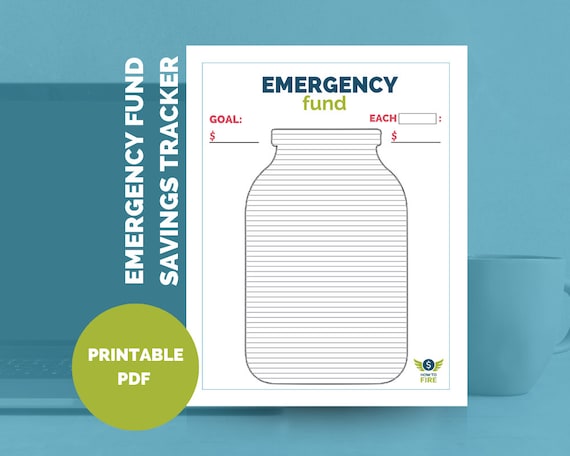
What Is an Emergency Fund?
An emergency fund is money set aside specifically to cover unexpected and necessary expenses. It acts as a financial safety net that helps you handle emergencies without disrupting your regular budget or long-term financial plans.
Common examples of emergencies include:
-
Medical or dental expenses not fully covered by insurance
-
Urgent home or car repairs
-
Temporary loss of income
-
Essential travel due to family emergencies
An emergency fund is not meant for planned purchases, vacations, or discretionary spending. Its purpose is protection, not convenience.

How an Emergency Fund Works (Step by Step)
Building an emergency fund may feel overwhelming at first, but breaking it down into simple steps makes it manageable.
1. Decide how much you need
A common guideline is to save enough to cover three to six months of essential living expenses. These include rent or mortgage, utilities, groceries, transportation, and insurance. The exact amount depends on factors like income stability and household responsibilities.
2. Choose a safe place to keep it
Emergency funds should be:
-
Easy to access
-
Low risk
-
Separate from daily spending money
Many people use a basic savings account for this purpose. The goal is accessibility and safety, not high returns.
3. Start small and stay consistent
You do not need the full amount immediately. Starting with a modest target, such as one month of expenses, is a strong first step. Regular contributions, even small ones, add up over time.
4. Automate your savings
Setting up automatic transfers from your income to your emergency savings can help make saving a habit. Automation reduces the temptation to skip contributions.
5. Use it only for real emergencies
When an emergency happens, the fund is there to be used. Afterward, gradually rebuild it so you are ready for the next unexpected event.

Benefits of Having an Emergency Fund
An emergency fund provides more than just money. It supports your overall financial well-being.
Financial stability
Unexpected expenses are less likely to derail your monthly budget or long-term goals.
Reduced stress
Knowing you have a safety net can ease anxiety during uncertain situations.
Avoiding high-interest debt
Without emergency savings, people often rely on credit cards or loans, which can be costly and difficult to repay.
Flexibility during life changes
Whether dealing with a job transition or family needs, an emergency fund gives you breathing room to make thoughtful decisions.
Better long-term planning
With emergencies covered, you can focus on other goals like education, retirement, or home ownership without constant worry.
Risks and Limitations of Emergency Funds
While emergency funds are essential, they also have some limitations.
Low growth potential
Money in an emergency fund is usually kept in low-risk accounts, which means it may not grow quickly. This is intentional, as safety and liquidity are the priority.
Opportunity cost
Some people feel tempted to invest emergency savings instead. However, investing emergency money can expose it to market fluctuations, making it unavailable when needed most.
Requires discipline
Building and maintaining an emergency fund requires consistency and restraint, especially when money is tight.
Understanding these limitations helps set realistic expectations and reinforces why emergency funds are about protection rather than profit.
Common Mistakes and Misconceptions
Many people misunderstand how emergency funds should work. Avoiding these common mistakes can make your savings more effective.
Treating it like extra spending money
Using emergency savings for non-essential purchases defeats its purpose.
Waiting for the “perfect” time to start
There is rarely a perfect time. Starting small is better than not starting at all.
Keeping it too inaccessible
Emergency funds should not be locked into accounts that take weeks to access.
Believing one size fits all
The right amount varies. Your emergency fund should reflect your lifestyle, income stability, and responsibilities.
Not replenishing after use
Once the fund is used, rebuilding it should become a priority.
Frequently Asked Questions (FAQs)
How much should I save in an emergency fund?
Many people aim for three to six months of essential expenses, but even a smaller amount can provide meaningful protection in the beginning.
Is an emergency fund the same as savings?
Not exactly. While both involve saving money, emergency funds are specifically reserved for unexpected and urgent needs.
Should I build an emergency fund before investing?
For most beginners, having at least a basic emergency fund can help prevent the need to sell investments during emergencies.
Can I use my emergency fund for job transitions?
If the transition affects your income and essential expenses, an emergency fund may be appropriate to use.
What if I have debt?
Some people choose to balance small emergency savings with debt repayment. The key is avoiding situations where emergencies force more borrowing.
Conclusion
An emergency fund is a foundational element of personal finance. It does not promise high returns or quick results, but it provides something equally valuable: security. By preparing for unexpected expenses, you protect yourself from financial stress and reduce the risk of falling into debt during difficult times.
Building an emergency fund takes patience, but every contribution strengthens your financial safety net. As a next step, you may want to explore topics like budgeting basics or understanding essential versus non-essential expenses to support your savings journey.
Disclaimer
This article is for educational purposes only and does not constitute financial advice.